
Whether you run a family marina, a boat dealership, or a charter operation, customer perception starts long before a buyer steps onto the dock.
Strong marine branding can be the difference between making the shortlist and being completely overlooked.
This guide covers how to define, design, and deploy a brand that works everywhere. We will look at everything from hull decals to your website.
Key Takeaways
- Strong marine branding helps establish trust quickly, making your audience feel confident in your reliability and professionalism. It helps dealers, marinas, and charter operators stand out.
- A clear marine brand identity reflects real-world strengths like safety, reliability, and local knowledge.
- Your marine website design is the primary digital expression of your brand. Mobile-first layouts, fast load times, and clear calls to action reinforce your brand identity and improve the customer experience, supporting conversion and establishing authority.
- Consistent branding across vessels, signage, and social media supports premium positioning.
Why Branding For Marine Businesses Matters In 2026
Buyers no longer wander into a boatyard to ask what is available. They research hull specs, read reviews, and form opinions online weeks before calling you. Ignore this digital reality, and you make it much easier for the competitor down the canal to win the lead.
Picture a harbor with three marinas or four boat dealers within a 50-mile radius selling similar inventory. When the services look identical on paper, branding separates the company that earns the booking from the one that does not.
A buyer considering a $1.5 million quad-engine center console is more likely to take a dealer seriously when its digital presence reflects the quality of the boat sitting on the lift. Marine branding should communicate authority and reliability, especially when customers are making a major purchase or trusting you with a valuable vessel.
How To Position Your Marine Business Against Competitors
Marine branding goes far beyond visual presentation. You must clearly position your business within the market. Generic positioning makes it harder to compete on anything other than price. Specialized positioning gives the right customers a reason to seek you out specifically.
- A boatyard could position around performance boats, Mercury repowers, large center consoles, emergency haul-outs, or custom electronics.
- A marina might position around transient yachts, sportfishing boats, hurricane storage, luxury amenities, or deep-water access.
- A dealership might focus on offshore performance, family cruising, sportfishing, or luxury center consoles.
Identify what you actually do best. Then, make that strength a central part of your positioning and brand.
How To Prove Your Marine Brand Positioning
Branding cannot compensate for a weak customer experience. If you position your boatyard as the performance repower specialist, your website, project photography, customer reviews, technicians, equipment, and completed work should all support that claim.
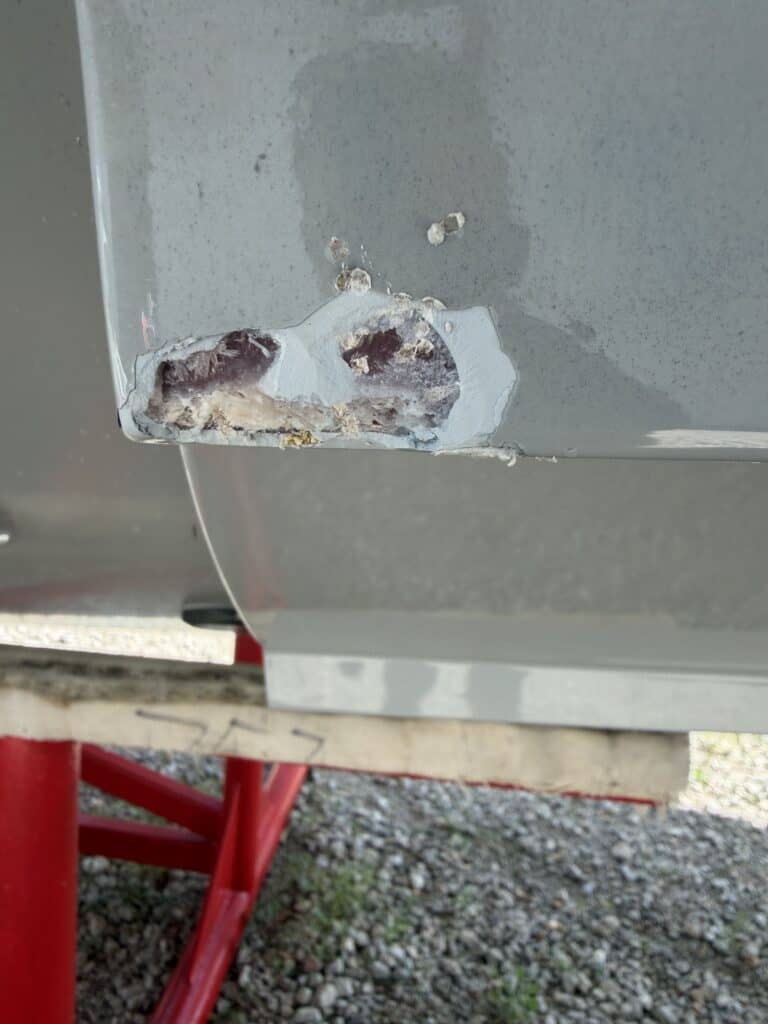
The strongest marine brands do not simply tell customers what they are. They provide enough evidence for customers to reach the same conclusion.
How To Build A Strong Marine Brand Identity
Marine brand identity is your visual and verbal toolkit. It includes your logo, color palette, typography, and tone.
A luxury yacht brokerage might communicate quiet authority through restrained colors, premium photography, and clean typography. Your identity should make your specific value immediately obvious, guiding your branding efforts effectively.
Invest in professional photography. Stop using generic stock images. Show your actual crew working on a vessel or a real boat cutting through the offshore chop.
Key Components Of A Marine Brand
- Marine Logo Design: A strong logo must be legible from a distance on dock signage. When designing a simplified icon for embroidered crew hats or hull decals, remember that thin lines vanish. Keep it bold.
- Colors: Blue and green dominate the marine industry. Do not choose colors simply because they feel nautical. Select a palette that fits your positioning and remains recognizable against competitors.
- Typography: It needs to read clearly on a mobile screen and on a physical uniform.
- Tone of voice: Match your audience. Be warm for family marinas and highly technical for custom refit yards.
Your name and tagline must be easy to say over a VHF radio. “HarborPoint Marine Service. Reliable. Ready. 24/7.”
Create a simple brand style guide covering logo usage, colors, and fonts. Hand it to your printers, sign writers, and web designers so everyone applies the brand perfectly.
How Your Website Reinforces Your Marine Brand
Your website is the first dock your client visits and the primary digital expression of your marine brand.
Use hero images of real boats and state exactly what you do. Use specific language like “Custom Outboard Rigging in South Florida” instead of generic fluff. Include prominent calls to action like “Schedule a Sea Trial” or “Book a Haul-Out.” A luxury yacht brokerage may need polished inquiry forms and private-showing language, while a service yard should make emergency contact information and haul-out scheduling immediately visible.
Depending on the type of marine business, useful website features can include:
- Tide and weather widgets on relevant pages.
- Interactive maps showing marina access, nearby inlets, fuel docks, parking, and important arrival information.
- Online booking forms for slips and charters.
- Live availability modules integrated with platforms like Dockwa.
Marine SEO is a critical extension of your brand. Optimize for specific, high-intent terms like “Mercury Verado Repower Fort Lauderdale” rather than just “boat mechanic near me.” SEO-driven content improves your chances of reaching high-intent buyers before they encounter a competitor.
How To Apply Marine Branding Across Every Customer Touchpoint
Consistency builds trust. Your marina entrance sign, fuel dock boards, and service vehicles must match.
For boat dealers, this extends to showroom displays, spec sheets, and branded livery on demo boats. If your brand promises high-end expertise, your crew’s uniforms and radio etiquette must deliver exactly that.
Each digital platform can play a different role in your brand strategy:
- Instagram: Show the lifestyle. Post footage of a Midnight Express running to Bimini or a Cigarette at the sandbar.
- LinkedIn: Focus on B2B engineering, port services, and dealership operations.
- YouTube: Publish sea trials, detailed technical walkthroughs, and time-lapse engine rebuilds.
Getting Started: Practical Steps
Treat branding as a structured project.
- Audit your current materials, signage, and website.
- Interview five recent customers to find out why they actually hired you.
- Analyze three direct competitors in your region to help your audience feel prepared and strategic, giving you insights to differentiate effectively.
- Define your exact positioning and target audience.
- Roll out the updates across your web design and physical touchpoints.
Schedule major branding and website work around your market’s slower season. For seasonal boating markets, the winter lay-up period can be an ideal time to refine your digital infrastructure before spring demand returns. In year-round markets like South Florida, use historical lead and sales data to identify your natural planning window.
Frequently Asked Questions
How can a small marine business brand effectively on a budget?
Start with a simple, professional logo and a clean one-page website. Avoid over-designed anchor clichés. Clearly state what you do, where you do it, and how to get in touch. Consistency matters much more than an expensive identity suite.
When should you refresh a marine brand?
Review your photography, messaging, and visual identity every few years. A larger rebrand is usually driven by a strategic change, outdated positioning, acquisition, new ownership, or a major shift in your target market.
Should I choose a generalist agency or a marine specialist?
A generalist agency may need time to learn marine-specific constraints like saltwater-durable signage, how logos read on hulls, or the seasonal rhythms of the industry. A marine marketing agency understands these nuances and builds brand strategies that function in demanding environments.
Build A Marine Brand That Matches The Quality Of Your Business
A strong marine brand should do more than look professional. It should make your positioning clear, reinforce your expertise, and give the right customers a reason to choose you before they ever pick up the phone.
The Marine Marketing Agency helps boat dealers, marinas, manufacturers, yacht brokers, and marine service businesses build brands and digital strategies designed around how people actually buy in the marine industry.
Request a competitor analysis to see where your current brand stands in your market.